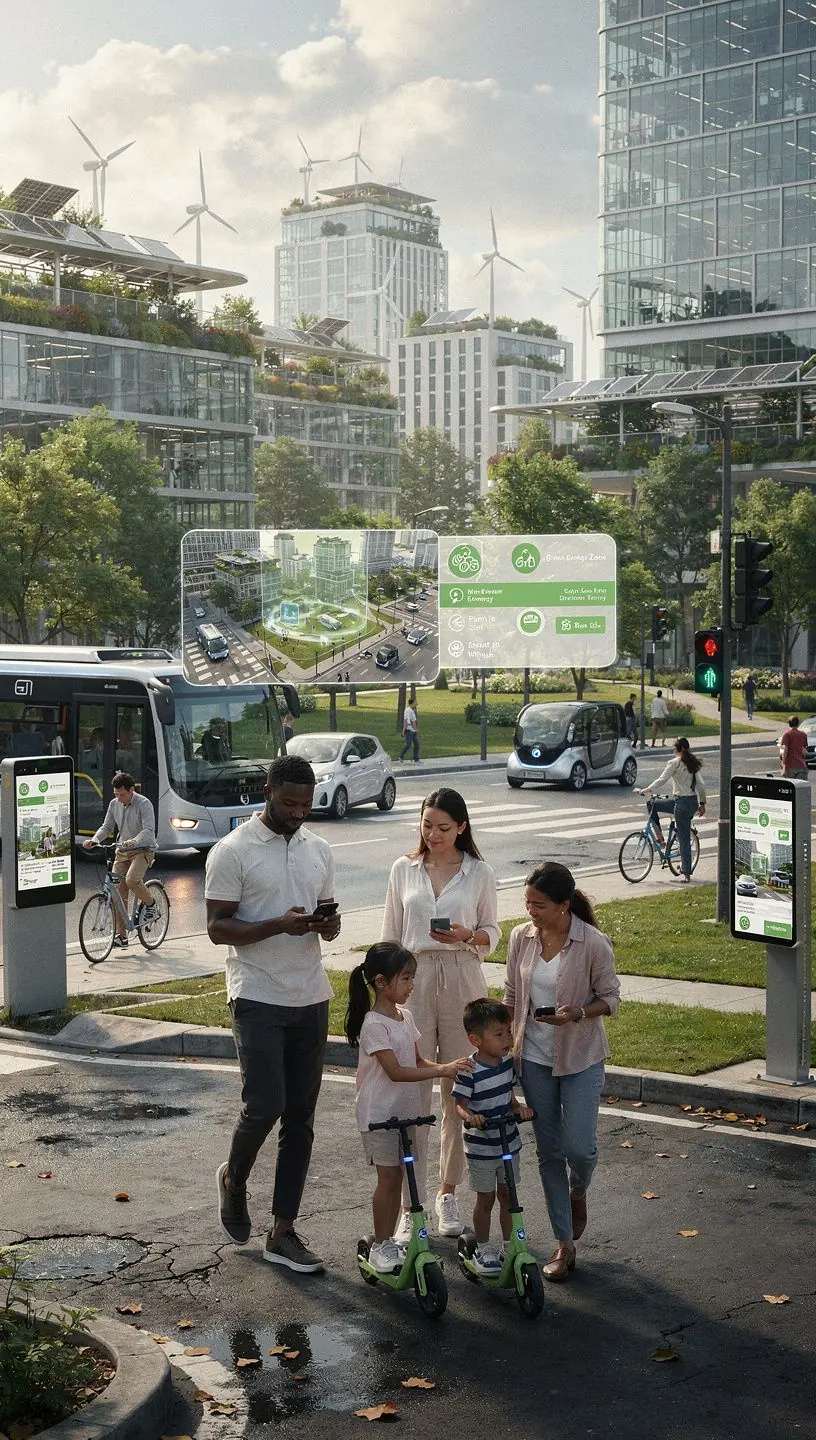
How Smart City Technology Enhances Urban Mobility
As urban areas evolve, the integration of smart city technology plays a crucial role in improving urban mobility. In Canada, cities are increasingly adopting innovative solutions to address transportation challenges, enhance accessibility, and create a more efficient environment for residents.
Understanding Smart City Technology
Smart city technology encompasses a range of tools and systems designed to improve the quality of life for urban residents. These technologies often include smart traffic management systems, real-time public transit information, and adaptive traffic signals. According to research published by the Intelligent Transportation Society of America, cities that implement such technologies can experience reductions in traffic congestion by up to 30%.

"Smart city initiatives can significantly enhance the efficiency of urban transportation networks, leading to a more sustainable urban environment." – Industry Expert
The Benefits of Smart Mobility Solutions
Implementing smart city technology can offer several benefits, particularly in enhancing urban mobility:
- Real-time Data Access: Many users report that access to real-time data regarding public transportation schedules improves their commuting experience. Studies indicate that when users have timely updates, they are more likely to utilize public transit, reducing the number of vehicles on the road.
- Improved Traffic Flow: Adaptive traffic signals, which adjust their timing based on current traffic conditions, can help minimize delays. Research suggests that such systems can reduce wait times at intersections, leading to smoother traffic flow and less pollution.
- Enhanced Accessibility: Smart mobility solutions can also cater to individuals with disabilities. For instance, many cities are now incorporating features like accessible apps that provide information on wheelchair-friendly routes, improving overall accessibility for all users.
Challenges and Considerations
While the potential benefits of smart city technology in urban mobility are significant, there are also challenges to consider:
- Implementation Costs: The initial investment for smart systems can be substantial, often requiring funding and support from various stakeholders.
- Data Privacy Concerns: The use of data collection technologies raises valid privacy concerns that cities must address to gain public trust.
- Learning Curves: Adopting new technologies often involves a learning curve for both city officials and residents. Effective training and support systems are essential to ensure a smooth transition.
Conclusion
Smart city technology presents a promising avenue for enhancing urban mobility in Canadian cities. By leveraging real-time data and adaptive systems, municipalities can create more efficient transportation networks. However, it is crucial for city planners and stakeholders to consider the associated challenges and work collaboratively to overcome them. Ultimately, as cities continue to evolve technologically, the goal remains clear: to improve the quality of urban life for everyone.
Learn More