Understanding the Digital Divide in California Communities
The digital divide represents a significant challenge in California, impacting communities' access to technology and information. This article explores the nuances of this divide, its implications, and actionable insights on bridging the gap.
Understanding the Digital Divide
The digital divide refers to the disparity between those who have easy access to digital technology and those who do not. According to research from the Pew Research Center, approximately 25% of rural Californians report significant barriers to internet access, which can limit their ability to work, learn, and engage with vital services.

"Access to technology is not just about having the devices; it's about the ability to use them effectively," explains Dr. Laura Garcia, a technology policy expert.
Factors Contributing to the Digital Divide
Several factors contribute to the digital divide in California communities:
- Geographic Disparities: Many rural areas lack the infrastructure for high-speed internet. A study by the California Public Utilities Commission indicated that more than 1 million Californians still lack adequate broadband access.
- Economic Barriers: The cost of devices and internet services can be prohibitive for low-income households. Many users report that they simply cannot afford the monthly fees associated with reliable internet access.
- Education and Skills: There is often a lack of digital literacy training, which can hinder individuals' ability to effectively use available technology. According to a report from the National Skills Coalition, nearly 35% of Californians lack basic digital skills.
The Impact of the Digital Divide
The effects of the digital divide are profound and multifaceted, influencing various aspects of life:
- Education: Students in underserved areas may struggle to complete assignments or access online resources, potentially impacting their academic performance.
- Employment: Job seekers may find it challenging to search for positions or complete applications online, limiting their employment opportunities.
- Access to Services: Many critical services, including healthcare and government assistance, are increasingly moving online, which can leave those without internet access at a disadvantage.
Bridging the Gap: Possible Solutions
Experts recommend several strategies to help bridge the digital divide:
- Investment in Infrastructure: Expanding broadband infrastructure in underserved areas is crucial. Local governments are encouraged to partner with private companies to improve access.
- Subsidized Internet Programs: Programs that offer reduced-cost internet services to low-income families can help alleviate some financial barriers.
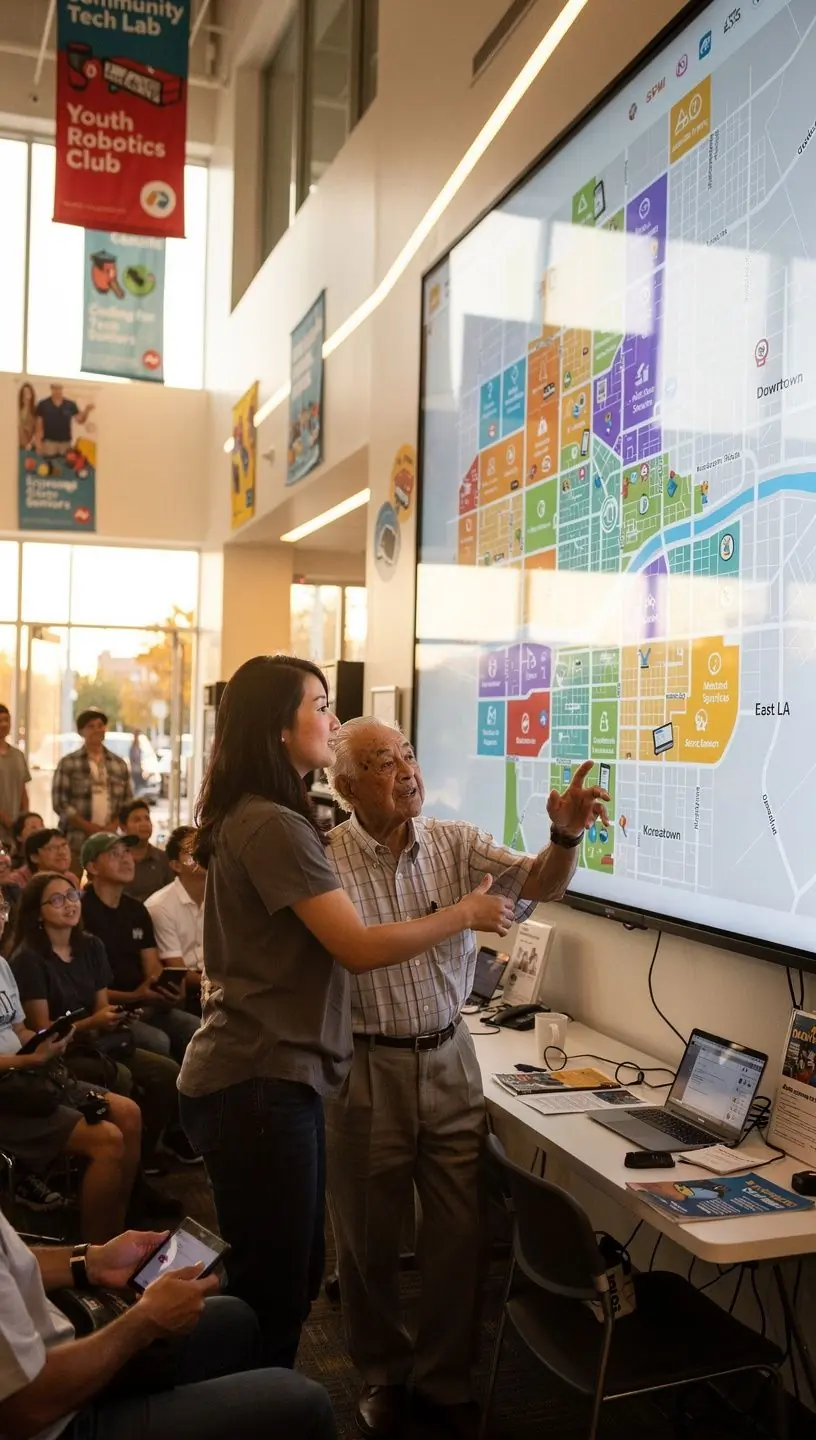
- Digital Literacy Training: Community organizations can provide training programs to help residents improve their digital skills, making it easier to navigate online platforms.
Community Initiatives and Success Stories
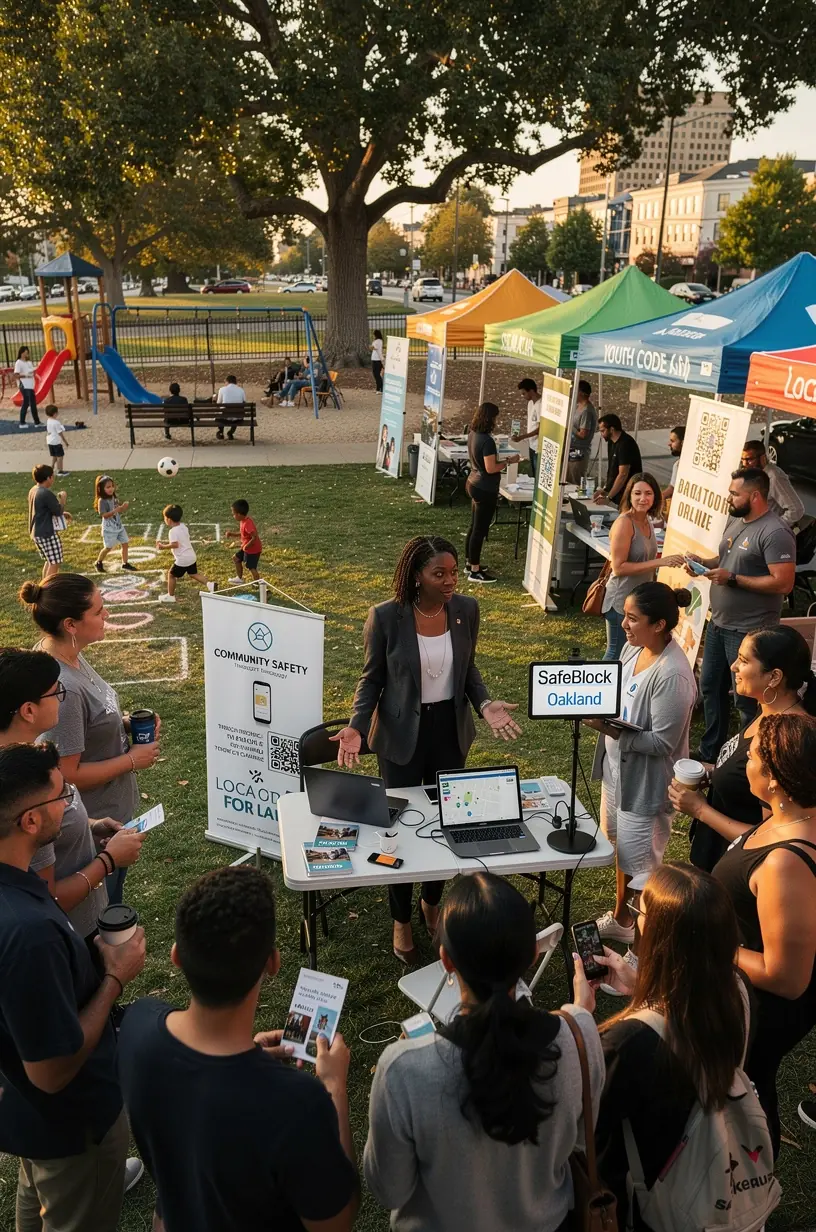
Many communities in California are taking steps to address the digital divide:
- The Digital Equity Project: This initiative focuses on increasing broadband access and digital literacy among underserved populations in Los Angeles.
- Rural Broadband Initiatives: Various projects aim to improve internet access in rural areas, showing promising results in enhancing connectivity and access to information.
Conclusion
Understanding the digital divide is essential for fostering equitable technology adoption in California communities. By recognizing the factors contributing to this gap and implementing targeted solutions, local governments and organizations can help to create a more connected and inclusive environment. Addressing these challenges typically requires ongoing commitment and collaboration, but the potential benefits for individuals and communities are significant.
Learn More